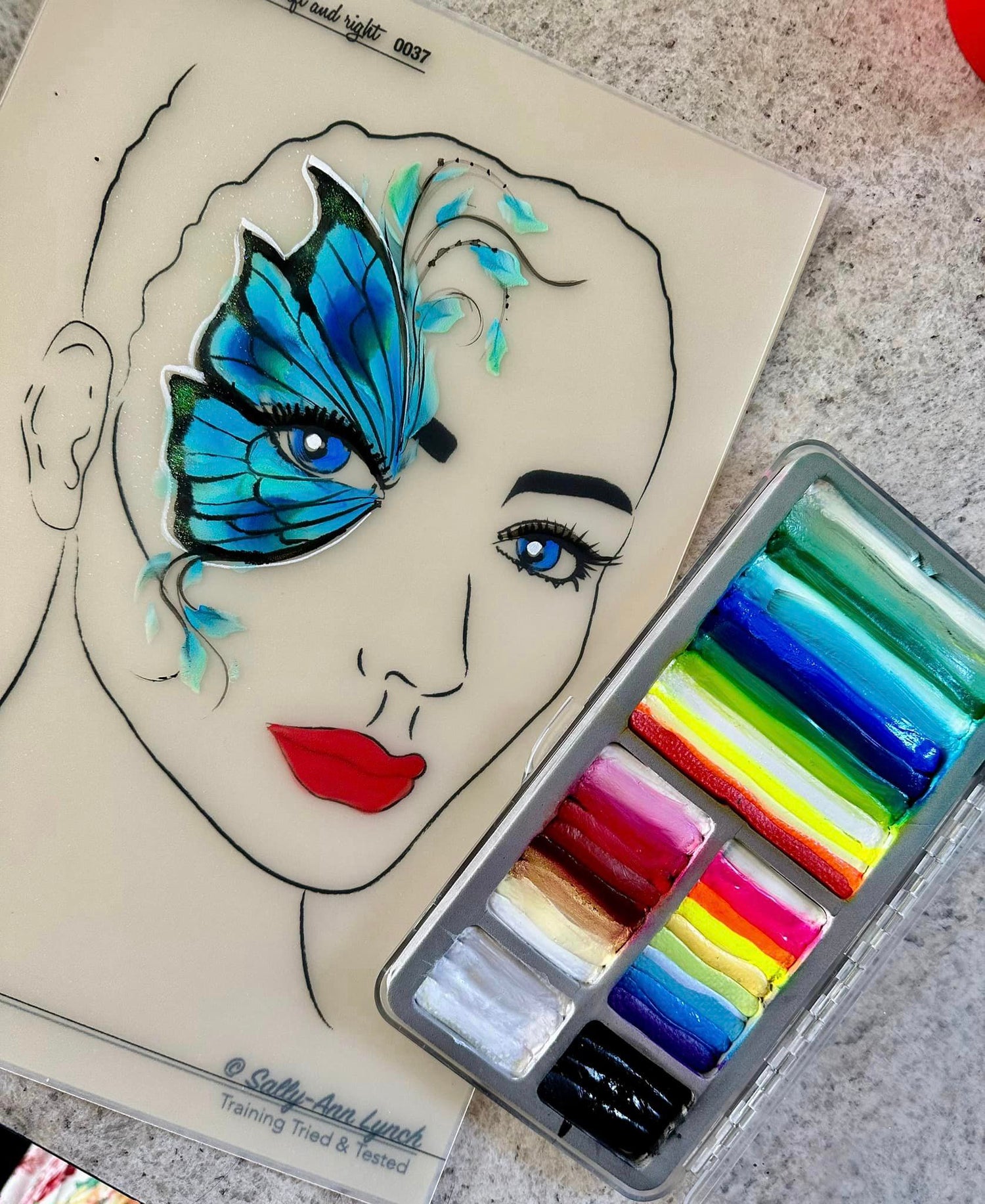


We've all been there: a birthday party, a community festival, or a backyard BBQ features a fantastic face painter, and the kids (or young-at-heart adults) get transformed into tigers, superheroes, or butterflies. But if there's a swimming pool nearby, you might want to hold off on jumping in.
While face paint is a staple of festive fun, mixing it with chlorinated pool water is a recipe for an uncomfortable skin reaction. Here is a breakdown of why this happens, what a reaction looks like, and how to safely treat it.
The Science: Why Pool Chemicals and Face Paint Conflict
It seems harmless enough—after all, face paint is designed for the skin, and pool water is safe to swim in. However, when chlorine and chloramines meet the ingredients in cosmetics, it creates a perfect storm for irritant contact dermatitis (a chemical rash).
Here is exactly what happens to your skin when the two mix:
The Skin Barrier Gets Stripped: Chlorine is a powerful oxidizer designed to kill bacteria. In the process, it strips away sebum—your skin's natural protective oil barrier. Without this barrier, your skin becomes highly permeable, defenceless, and incredibly sensitive to the pigments, preservatives, and fragrances found in face paint.
Chemicals Get Trapped Against the Skin: Water-based face paints will dissolve and wash away in the pool. However, oil- or wax-based paints are water-resistant. If chlorinated water gets trapped underneath a layer of heavy, water-resistant paint, it is held directly against your pores. This prolonged exposure can cause a painful chlorine burn.
Cosmetic Breakdown: Chlorine can actually alter the chemical stability of the face paint itself. As the pool chemicals break down the makeup, they can create harsh, irritating byproducts that sting and inflame the skin.
Symptoms of a Reaction: What to Watch For
A reaction from this combination usually flares up within a few hours of swimming. Keep an eye out for these common signs of a chemical skin reaction:
- Redness and Inflammation: The skin looks severely flushed, sunburnt, or blotchy.
- Burning or Itching: A persistent, uncomfortable stinging or intense itchiness.
- Dry, Flaky Skin: The area feels incredibly tight and may begin to peel.
- Bumps or Hives: Small, raised red bumps or blister-like lesions developing where the paint was applied.
First Aid: How to Treat a Post-Pool Rash
If you or your child starts showing signs of a skin reaction after swimming with face paint, act quickly to soothe the skin:
- Wash It Off Immediately: Flush the skin with plenty of lukewarm, fresh tap water. Use a very gentle, fragrance-free cleanser to wash away any remaining paint or chlorine. Do not scrub, as friction will further damage an already compromised skin barrier.
- Lock in Moisture: Gently pat the skin dry with a soft towel. Immediately apply a thick, hypoallergenic, fragrance-free moisturizer. Creams containing ceramides or a simple petrolatum-based ointment will help rebuild the skin's protective barrier.
- Cool and Soothe: Apply a clean, cool, damp compress to the area to calm burning and reduce swelling.